
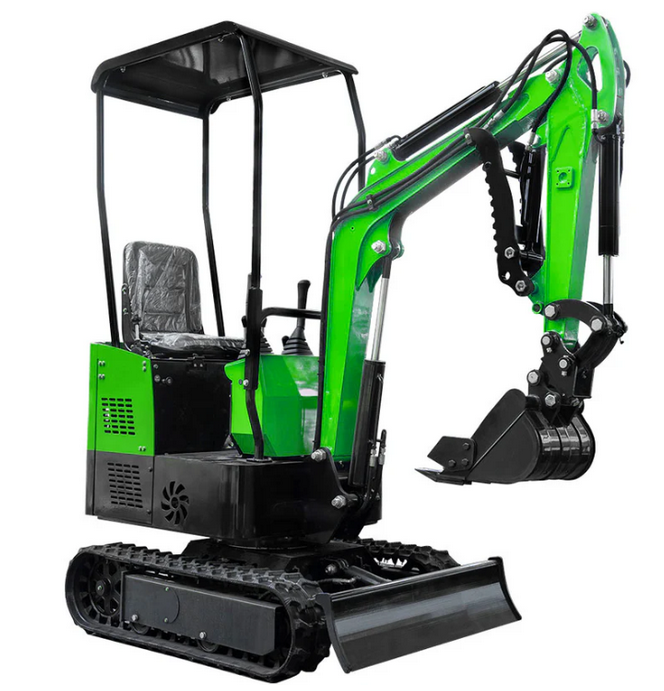
Buying compact equipment is a serious decision for any contractor, landscaper, farmer, or property owner. A mini excavator offers digging power in a smaller, more practical size, making it useful for jobs where full-size machinery would be too expensive, too bulky, or simply unnecessary. From trenching and land clearing to backyard grading and utility preparation, this type of machine can improve efficiency and reduce manual labor on a wide range of projects.
The key is choosing the right model for your actual work needs. That means looking beyond price alone and comparing size, engine type, attachment options, support, and long-term value. If you want to review product options before making a decision, you can explore https://www.mmsce.com/collections/mini-excavator to see different configurations and machine classes. This guide will help you understand what to look for so you can make a smart, practical purchase.
Why Compact Excavation Equipment Is So Popular
Compact digging machines have become popular because many jobs do not require a large excavator. Residential projects, farm maintenance, landscaping work, drainage installation, and light demolition often happen in narrow or restricted areas. In these situations, a smaller machine is easier to move, easier to position, and often more economical to operate.
This popularity is also tied to versatility. A compact machine can support several services instead of just one. A contractor may use it for trenching on one project, soil removal on another, and material handling on the next. That kind of flexibility makes ownership more valuable over time.
Some of the main reasons buyers prefer this category include:
- Better access to tight work areas
- Lower transport and storage demands
- Easier handling for small to mid-sized jobs
- Reduced disruption on finished properties
- Lower labor requirements for digging tasks
- Broad attachment compatibility
For a small business, that combination can create strong return on investment. For a landowner, it can reduce dependence on rented machinery or outside labor.
What This Type of Machine Can Actually Do
Many people assume a compact digger is only useful for light trenching, but that is only one part of its value. With the right setup, it can handle many different tasks across property maintenance, construction support, and land improvement.
Common uses on real job sites
These machines are often used for:
- Trenching for water, electric, and drainage lines
- Grading and leveling around homes or commercial lots
- Digging footings for small structures
- Farm and acreage maintenance
- Cleaning ditches and drainage paths
- Removing roots, small stumps, and debris
- Light demolition and site preparation
- Loading loose materials with proper attachments
- Fence-line and boundary work
This range of uses is what makes compact equipment appealing to so many buyers. It is not just about excavation. It is about having a machine that can support multiple kinds of work throughout the year.
Start with the Work You Do Most Often
Before comparing models, think carefully about the jobs you expect to perform most often. The right machine is the one that fits your daily work, not the one with the biggest numbers on paper.
Ask yourself these questions:
- Will I mostly work on residential sites or open land?
- How narrow are the spaces where I need to operate?
- Do I need the machine for daily business use or occasional property work?
- Will I be digging in soft soil, mixed ground, or harder conditions?
- Do I need to move the machine from site to site often?
- Will attachments be essential from the beginning?
These questions help you avoid two common mistakes. The first is buying too small and ending up with a machine that struggles on important jobs. The second is buying too large and paying extra for capacity you rarely use.
A smart buyer chooses based on workload, access, and future usefulness.
Understanding Size and Weight Before Buying
Size and operating weight are among the most important factors in the buying process. Smaller models usually offer easier access, simpler transport, and lower initial cost. Heavier models often provide better stability, stronger digging performance, and more confidence when working on demanding ground.
Smaller models
Lighter units are often ideal for:
- Backyard and residential projects
- Landscaping and garden work
- Small trenching jobs
- Greenhouse or nursery work
- Properties with narrow entry paths
These are attractive for first-time buyers because they are usually simpler to manage and easier to transport.
Mid-range models
Heavier compact units are often better suited for:
- Frequent contractor use
- Tougher digging conditions
- Attachment-heavy jobs
- Farm work that requires more stability
- Buyers planning to expand services
The goal is to match the machine to the actual intensity of the work. If your business is growing, it may be wise to choose a slightly stronger model rather than buying only for today’s smallest jobs.
For buyers comparing available options, browsing https://www.mmsce.com/collections/mini-skid-steer-loader can help you get a clearer idea of how different sizes and configurations are positioned in the market.
Engine Type Matters More Than Many Buyers Expect
Another important decision is engine type. Compact machines may come with gasoline or diesel power, and each option fits different situations.
Gasoline models may suit buyers who want:
- Easier fuel access
- Lower upfront cost
- Lighter property or residential use
- Simpler occasional operation
Diesel models may be better for buyers who need:
- Stronger torque under regular use
- Commercial or frequent jobsite performance
- Familiarity with diesel-powered equipment
- Better suitability for longer work sessions
There is no universal answer for everyone. The right choice depends on how often you will use the machine, how demanding the jobs are, and what kind of support is available in your area.
Buyers should think long-term here. A machine that seems affordable at purchase can become frustrating if it does not match the intensity of your actual work.
Attachments Can Greatly Increase Value
One of the biggest advantages of compact equipment is the ability to add attachments. This can turn a basic digging machine into a multipurpose tool for different services and seasons.
Popular attachments include:
- Standard digging buckets
- Narrow trench buckets
- Hydraulic breakers
- Grapples
- Thumbs
- Augers
- Rippers
These tools can significantly change what the machine can do. A breaker may support concrete removal. A grapple can help with brush and debris cleanup. A thumb can improve lifting and handling for irregular materials such as roots, rocks, or demolition waste.
This matters for both businesses and private owners. A machine with useful attachments becomes more than a single-purpose purchase. It becomes a more flexible investment that can support additional jobs and reduce the need for other equipment.
Operator Comfort and Ease of Control
Buyers often focus heavily on size, price, and power, but operator comfort should not be ignored. A machine that is awkward to control or tiring to use can slow productivity and reduce job quality.
Important comfort and usability points include:
- Clear and responsive controls
- Good visibility from the operator position
- Stable seating
- Easy entry and exit
- Predictable movement and handling
- Convenient access to maintenance areas
These details matter even more if the machine will be used for long sessions or shared by more than one operator. Comfort is not just about convenience. It affects efficiency, safety, and confidence on the job.
Delivery, Pickup, and Assembly Are Practical Buying Factors
Many buyers focus only on the machine itself and forget about how it will actually reach the site. Delivery and setup can affect both timeline and overall cost.
Before placing an order, confirm the following:
- Is shipping included?
- Is pickup available from a warehouse?
- Does the unit arrive assembled?
- Will unloading equipment be required?
- How quickly can it be put to work?
These practical details matter more than they may seem at first. A machine that arrives ready to use can save time and reduce setup problems. That can be especially important if the equipment is being purchased for business use and scheduled work is already waiting.
To compare availability and general product presentation, some buyers also review the broader website at https://www.mmsce.com before narrowing down their final choice.
Support, Parts, and Warranty Should Influence Your Decision
A good machine should not only perform well on day one. It should also be realistic to maintain over the long term. That is why parts availability, technical support, and warranty coverage deserve close attention.
Before buying, ask about:
- Availability of replacement parts
- Technical help after purchase
- Warranty period and conditions
- Recommended maintenance schedule
- Expected replacement timing for wear items
A cheaper machine with weak support can quickly become expensive if downtime interrupts your projects. For contractors, delays can affect customer trust and future jobs. For landowners, support issues can turn a useful purchase into a constant headache.
Reliable after-sales support adds real value. It protects your time and makes ownership less stressful.
How to Compare Price the Smart Way
Price is important, but it should never be your only buying standard. The cheapest option is not always the best value, and the most expensive one is not automatically the best fit.
Instead, compare total ownership value:
- Base machine price
- Included features
- Attachment options
- Shipping or pickup convenience
- Support and warranty
- Long-term usefulness
- Ability to help complete profitable work
This broader view makes decision-making more practical. A machine that costs slightly more may still be the better choice if it arrives ready to use, supports the right attachments, and comes with stronger service support.
Think in terms of productivity, not just purchase cost. A machine that performs well and stays reliable can recover its cost much faster than a cheaper alternative that causes delays or limits your job capabilities.
Who Should Consider Buying One?
This equipment category is especially useful for people who need practical digging power without committing to large construction machinery.
It is often a strong fit for:
- Landscapers expanding services
- Small construction teams
- Farmers and acreage owners
- Utility and drainage installers
- Property maintenance businesses
- Rural homeowners managing larger land
- Equipment rental investors targeting local demand
This type of machine makes the most sense when versatility matters. If you need one piece of equipment that can support multiple tasks across different sites, compact excavation equipment can be a very smart investment.
A Practical Checklist Before Ordering
Use this checklist before making your final decision:
- List your most common jobs
- Measure the narrowest site access point
- Decide between gasoline and diesel
- Check trailer and transport requirements
- Identify the attachments you need now
- Consider what attachments you may need later
- Review warranty and support details
- Ask about parts access
- Confirm delivery, pickup, and assembly terms
- Compare total value, not just price
This simple process can help you avoid buyer’s regret and choose a machine that stays useful well beyond the first few months of ownership.
Conclusion
Choosing the right mini excavator requires more than comparing a few product listings. The best decision comes from understanding your work type, operating space, transport needs, preferred engine type, and long-term goals. A compact machine can become one of the most useful assets for trenching, landscaping, farm maintenance, site preparation, and property improvement when it is matched correctly to the job. Buyers who focus on overall value, attachment flexibility, service support, and practical performance usually make the best long-term choice. Instead of chasing the lowest price, focus on usefulness, reliability, and fit. That approach leads to a smarter purchase and a machine that delivers value for years.
FAQ
1. What is a mini excavator best used for?
It is best used for trenching, grading, landscaping, utility work, light demolition, and general property maintenance. It performs especially well in areas where larger machines are hard to operate.
2. Is this type of machine good for farm work?
Yes. It can be very useful for ditch cleaning, fence-line work, trenching, land preparation, and general maintenance around fields, barns, and access roads.
3. How do I know what size machine I need?
Start by reviewing your most common jobs, the width of your access points, your soil conditions, and how often you will transport the equipment. Smaller units suit tighter spaces, while larger compact units often provide more stability and stronger performance.
4. Are attachments worth buying at the same time?
In many cases, yes. Attachments can make the machine far more versatile and help you complete more jobs without needing additional equipment. That can improve overall value and return on investment.
5. What should I compare besides price?
You should compare engine type, operating size, attachment compatibility, support, warranty, delivery terms, and parts availability. Those factors often matter more than the lowest price alone.